Orchestrating Multi-Agent Systems (MAS) with UiPath
Date: January 2026
Target Audience: RPA Developers, IT Managers, Digital Transformation Leaders
Introduction: The Shift to Agentic Automation
In the rapidly evolving landscape of automation, the idea of a single, monolithic bot handling an entire process is becoming a relic of the past. Enter the era of AI swarms and multi-agent systems (MAS).
This is a revolutionary approach where specialised AI agents collaborate seamlessly within the UiPath ecosystem. This isn’t just about efficiency; it’s about creating intelligent, adaptive, and highly resilient automated workflows.
What are AI Swarms and Multi-Agent Systems?
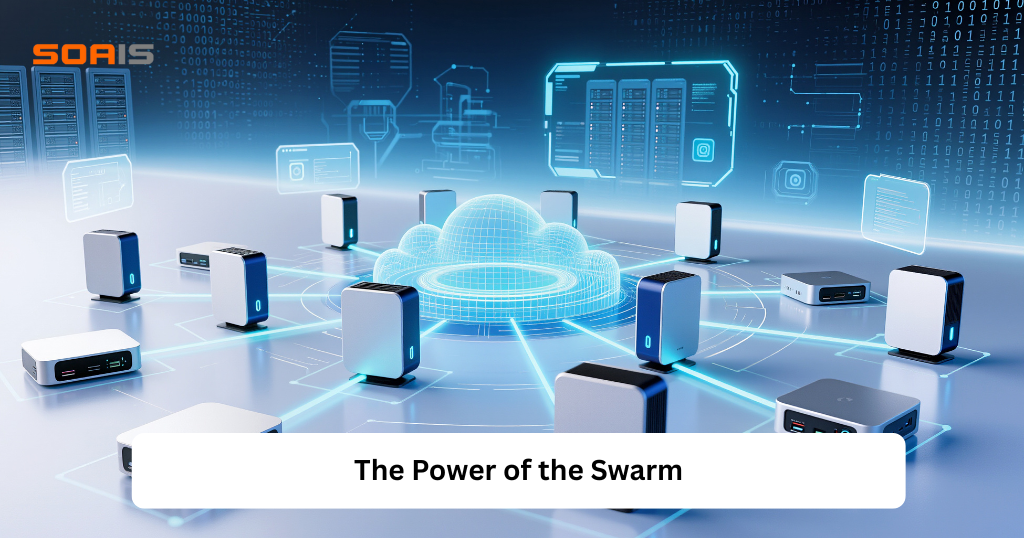
Imagine a team of highly skilled specialists working together towards a common goal. That’s the essence of an AI Swarm. Instead of one large bot, we now use smaller, focused UiPath Agents powered by advanced reasoning (LLMs).
Why the Shift?
- Enhanced Specialization: Each agent is fine-tuned for one task (e.g., Document Understanding vs. Logic Reasoning).
- Increased Resilience: If one agent fails, the “swarm” can re-route the task to another, preventing total downtime.
- Granular Scalability: Scale only the “Data Extraction Agent” during peak periods without wasting resources on the whole process.
The UiPath Multi-Agent Stack
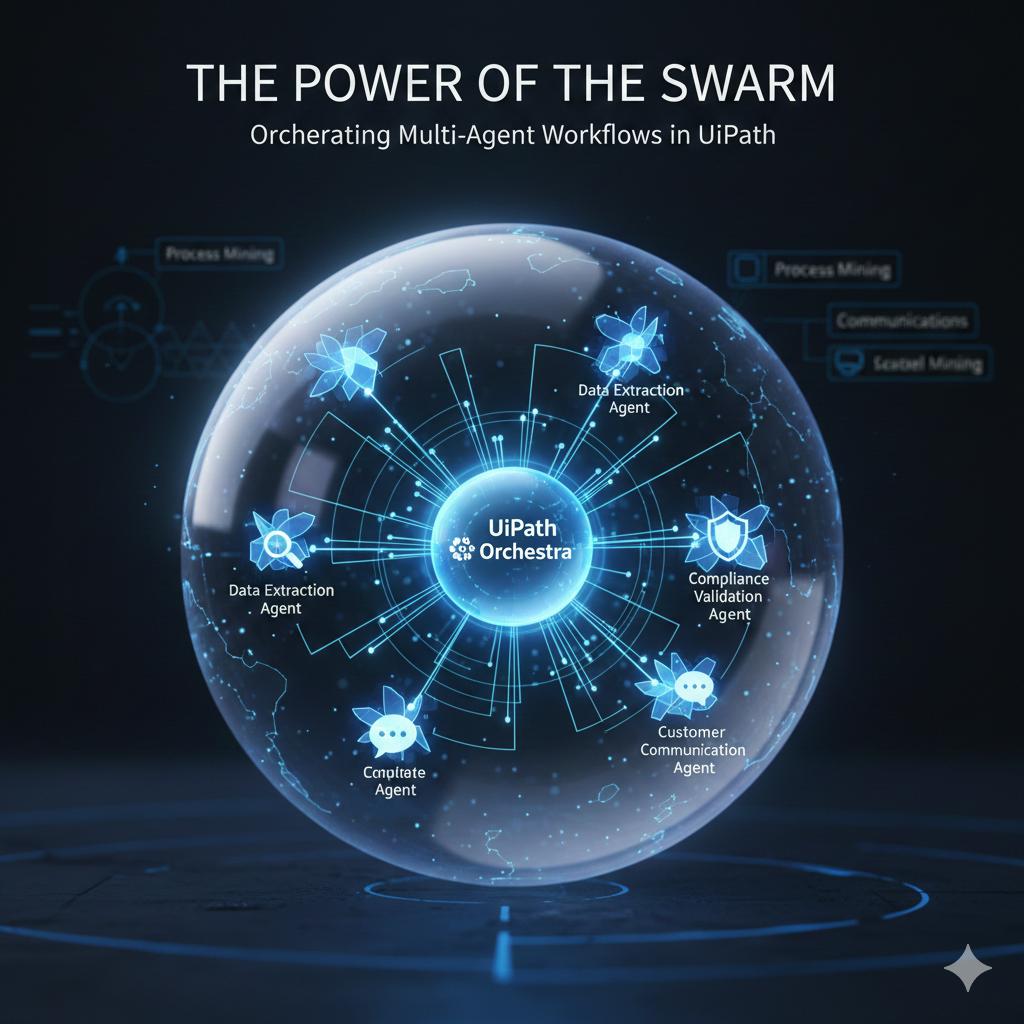
To build a swarm, UiPath provides three core architectural pillars:
| Component | Role in the Swarm |
| UiPath Maestro | The “Conductor” that orchestrates agent communication and task hand-offs. |
| Agent Builder | The “Training Ground” where you define the skills, tools, and LLM logic for each agent. |
| AI Trust Layer | The “Guardrails” ensuring agents remain compliant and do not hallucinate. |
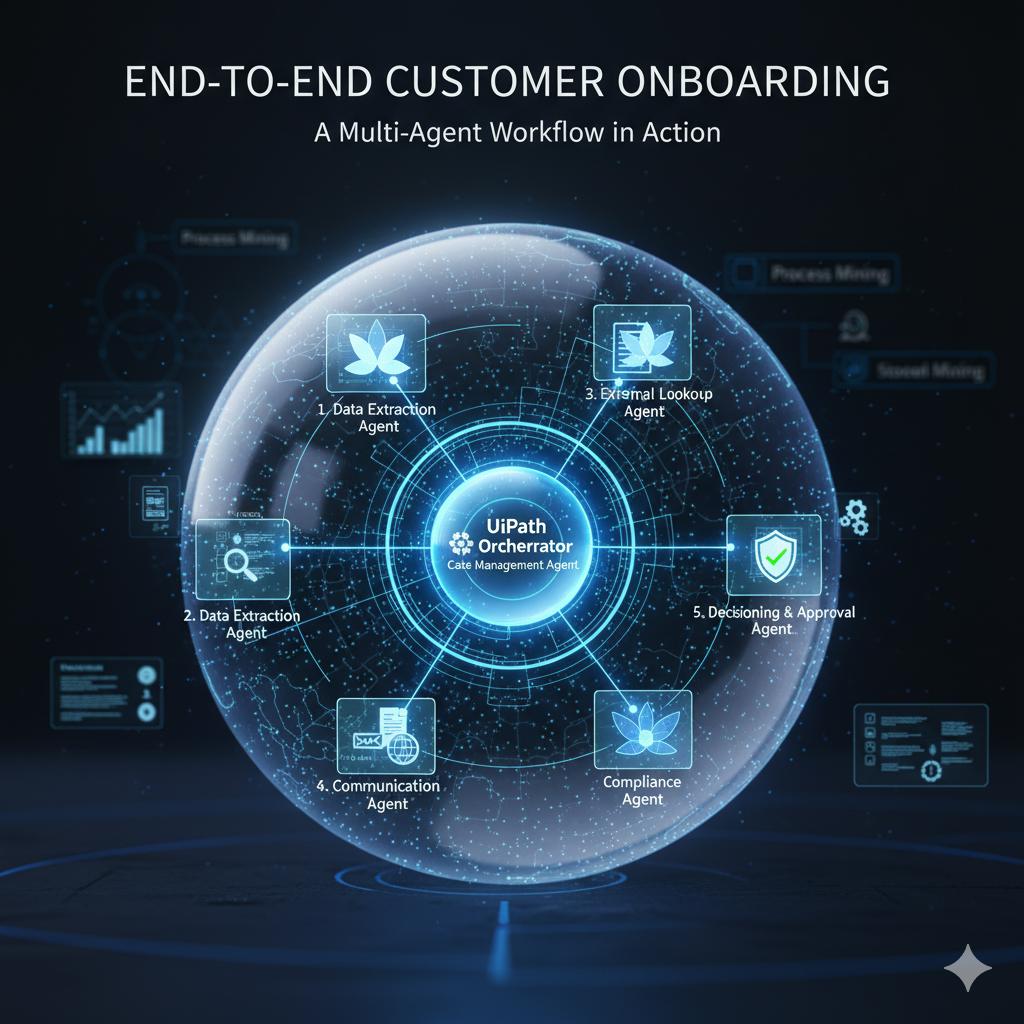
Real-World Case Study: Intelligent Onboarding
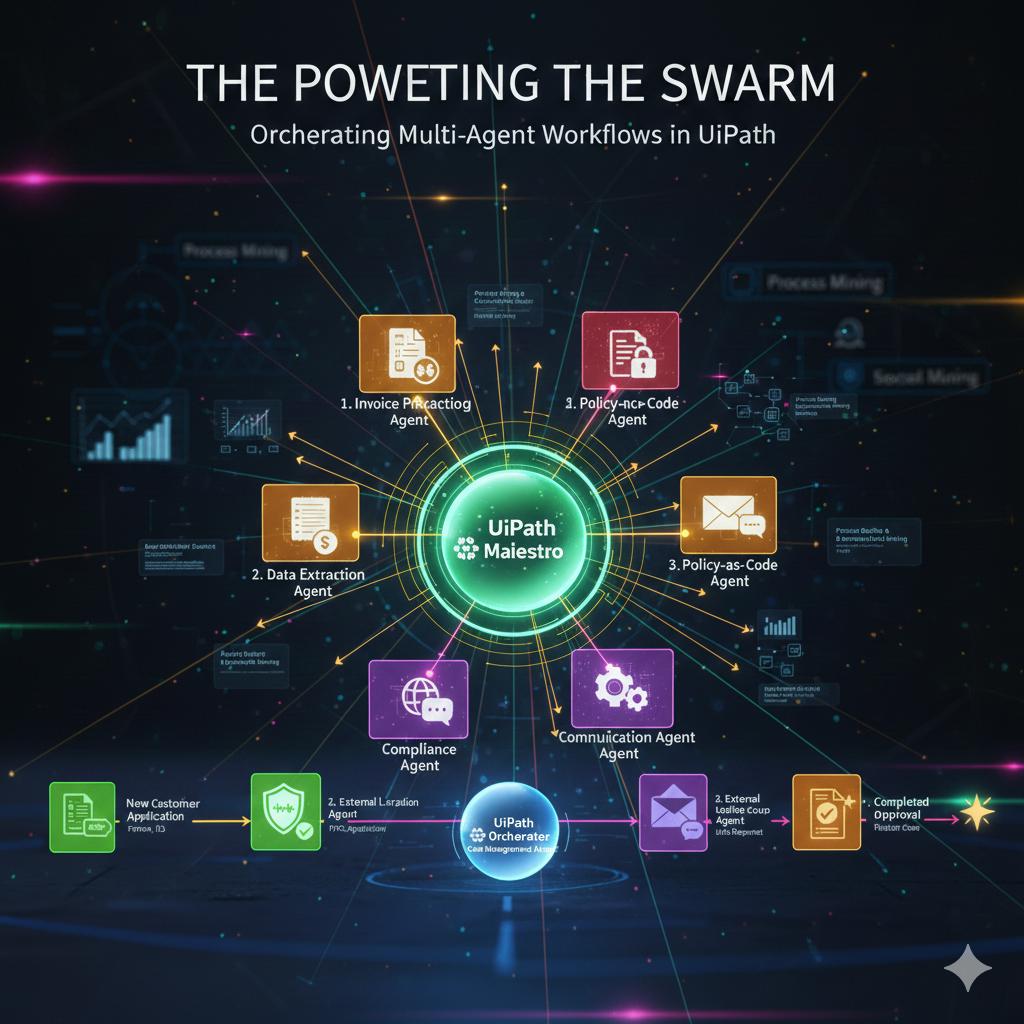
How does a swarm look in practice? Let’s look at Customer Onboarding:
- The Intake Agent: Monitors emails and extracts raw data using Communications Mining.
- The Verifier Agent: Cross-checks ID documents against global databases via API.
- The Risk Agent: Analyses the customer’s profile and assigns a risk score using predictive AI.
- The Communicator Agent: Drafts a personalised welcome or a request for more info based on the swarm’s findings.
Conclusion: Starting Your Swarm Journey
The transition from “Robotic” Process Automation to “Agentic” Process Automation is the biggest trend of 2026. By breaking your complex workflows into a Multi-Agent System, you achieve a level of flexibility that was previously impossible.