What is Master Data Governance (MDG)?
SAP Master Data Governance (MDG) is used as the cornerstone of enterprise quality data and is used by companies to govern their most important business data in an effective manner.
Every process in business starts with the creation of master data. From Business Partner role creation, products, financial entities, and assets management, SAP MDG helps to make sure the information used in these processes is governed and accurate.
This governance role extends directly into transactional processes such as Order to Cash. The Business Partner, credit, pricing, and compliance data that MDG creates and approves become the exact data that sales order creation, credit management, and billing rely on downstream.
Why MDG Automation Is Critical to Order-to-Cash and Beyond
Given the usage of master data across different SAP modules, even a minor problem in this data can be detrimental to business operations. Inaccurate customer, supplier, or material data leads to errors across the entire business process.
In Order to Cash specifically, an unapproved Business Partner record stalls sales order creation, an unverified credit master record causes incorrect credit checks, a missing sync with SAP GTS creates compliance holds at delivery, and outdated pricing conditions create billing errors that must be corrected after invoicing rather than before. These are not separate issues, they are the same governance gap surfacing at different points in the OTC flow.
This is why MDG automation is critical: automating workflows and validations ensures data quality, reduces risk, accelerates onboarding, and builds a strong foundation for seamless end-to-end operations. This shows up concretely across the following areas:
- Ensures Data Quality and Consistency – Automation guarantees master data is created properly and complies with governance standards, reducing errors and duplicates.
- Accelerates Customer and Vendor Onboarding – Automation ensures onboarding of new customers, vendors, and goods does not violate governance controls.
- Reduces Business Risk Master data issues affect sales, procurement, manufacturing, logistics, and reporting. Automation catches problems before processes go into action.
- Validates Complex Approval Workflows – Master data processes involve many approval steps and business rules. Automation tests the correctness of these workflows.
- Supports End-to-End Business Processes – Master data is the starting point for many processes. Automated MDG testing validates:
- Sales Order Processing
- Procurement
- Production Planning
- Inventory Management
- Billing and Finance
- Compliance and Trade Services
Because master data governs each process at its source, extending automated validation into them removes manual dependency between teams and prevents errors from surfacing downstream. This means, in Order-to-Cash, the process runs on data that is already checked, not data someone still needs to fix.
- Improves Regression Testing Efficiency – During SAP upgrades, enhancements, or transformations, automated MDG tests run repeatedly to keep critical master data processes stable.
- Enhances Compliance and Audit Readiness – Verifies governance controls, workflows, and other audit requirements.
Leveraging MDG Automation for End-to-End OTC Process Validation
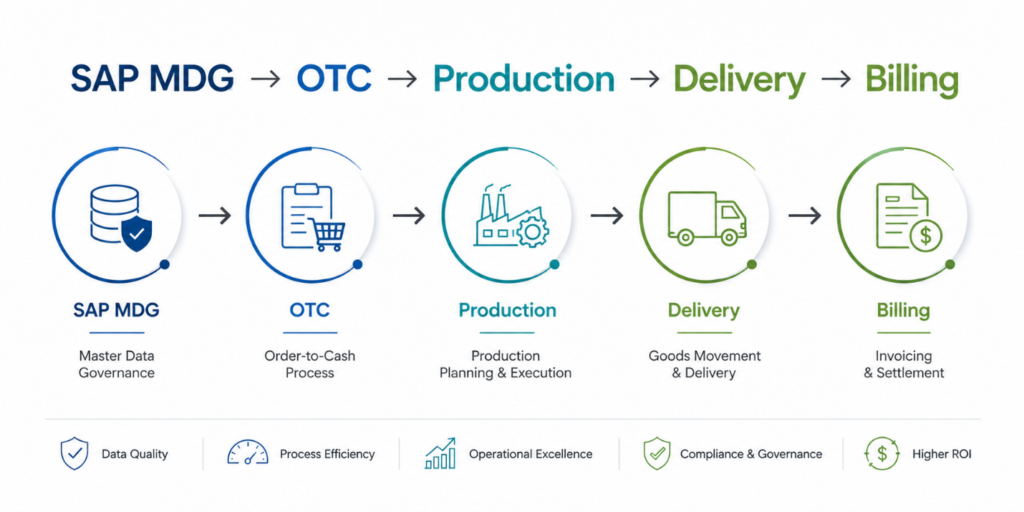
MDG is often automated as a standalone process, but it is just one of many steps in the business process. The customer created via MDG does not stay limited to governance, it moves ahead to sales orders, production scheduling, delivery, invoicing, and accounting.
In most automation projects, the Order-To-Cash (OTC) process starts with Sales Order creation. However, several prerequisites come before that, such as creating a Business Partner and approving MDG or other master data activities. These are often handled manually, causing delays, added effort, and dependency on multiple teams.
Even when companies automate these prerequisites, they are usually kept outside the main business process flow. This fragments the scope of automation, resulting in low business value and ROI.
To get the most out of automation, these prerequisites should not be automated as standalone processes but integrated into the entire end-to-end business flow.
Below is a typical example where MDG acts as a prerequisite for the end-to-end Order-To-Cash scenario:
- Customer Business Partner Creation
- MDG Request Approval
- Customer Verification
- Customer Credit Management
- Business Partner Integration with SAP GTS
- Pricing Condition Management
- Sales Order Creation
- Production Order Creation
- Production Order Updates and Adjustments
- Production Confirmation
- Maintain Configure BOP Segment
- Configure BOP Variant
- Outbound Delivery Creation
- Post Goods Issue (PGI)
- Billing Document Creation
Below are the screenshots of the end-to-end automated process in Worksoft Certify for above flow
Figure 1. Customer Master Data Creation and Approval
The automation begins with Business Partner creation and SAP MDG approval workflows, ensuring that only validated and governed master data enters downstream business processes.
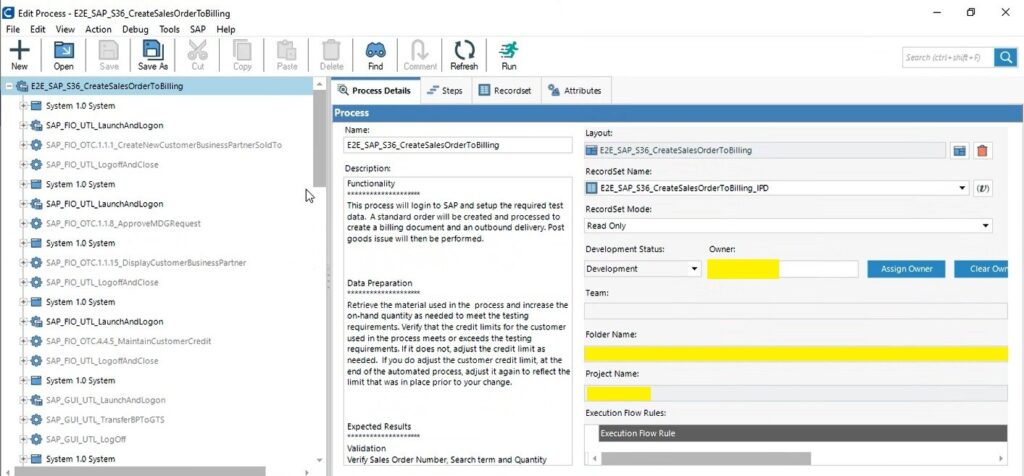
Figure 2. Sales Order Creation and Production Planning
Once the master data is approved, the automation seamlessly continues through Sales Order processing, production planning and other dependent business processes without manual intervention.
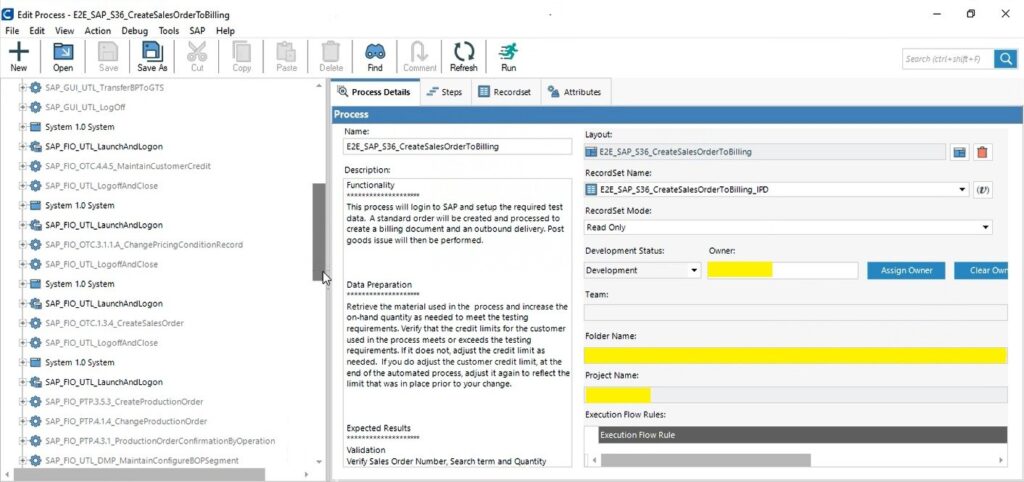
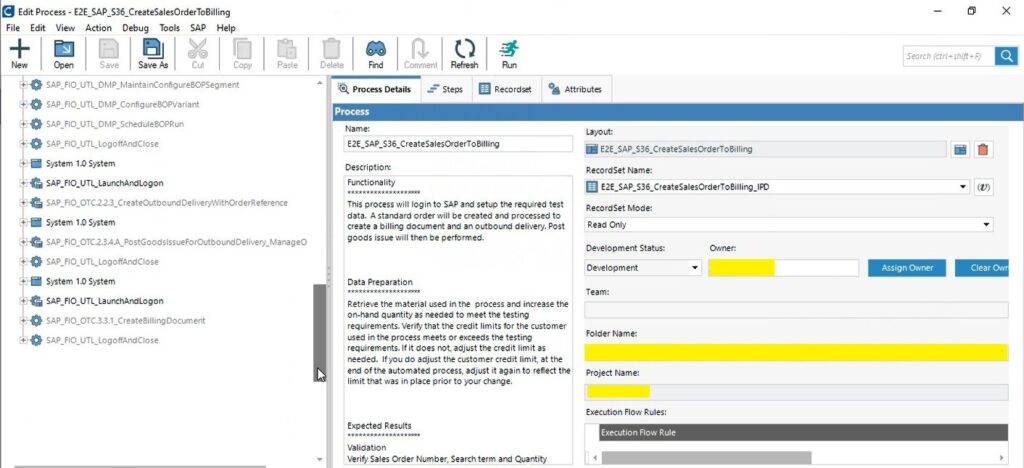
Figure 3. Delivery creation, Post Goods Issue and Billing
After Sales Orders and Production creation Delivery is created followed by Post Goods Issue i.e the physical movement of goods from the Warehouse and then Invoice is created.
Conclusion
- Integrating MDG with OTC delivers a fully automated workflow that provides end-to-end visibility, validating every critical business transaction while reducing manual effort.
- This results in improved process reliability, accelerated release cycles, higher test coverage, and a significant improvement in ROI.
- At the center of this is governed master data. Once MDG has validated and approved it, Order to Cash runs on data it can trust at every step.
- This is what makes the process flawless and free of the cross-team dependencies that come from ungoverned data.